Waste to Energy
Load handling built for the intensity of a Waste-to-Energy plant - from kerbside collection to the grid.
- Hiab Corporate
- Industries
- Waste and Recycling
- Waste to Energy
Waste in. Power out.
As cities grow and industries expand, the world is facing a dual challenge: increasing waste volumes and rising energy demand. Waste-to-Energy (WtE) addresses both—transforming non-recyclable waste into a reliable source of power while reducing dependence on landfills.
For municipalities, operators, and logistics providers, WtE is becoming an essential part of modern infrastructure. It helps cut emissions, supports energy security, and improves public health by managing waste in a controlled and efficient way.
The megatrends driving Waste to Energy growth
Sustainability
Global efforts focus on reducing emissions and supporting a circular economy through advanced recycling.
Energy needs
A reliable power supply and a diversified energy mix are essential to enabling the broader energy transition.
Societal changes
Rapid urbanization and growing waste volumes are being met with new regulation and government incentives.
How Hiab relieves industry pain points
While global drivers create the necessity for Waste-to-Energy, long-term success depends on mastering four critical operational pillars. Each presents unique logistical challenges that demand rugged, high-performance handling solutions:
Financial stability
Long-term business viability relies primarily on fixed government tipping fees rather than volatile electricity sales. To secure this revenue, the facility must maintain a consistent and high-volume intake of waste.
How Hiab Helps: Our rugged equipment is designed for the high-intensity loading cycles required to keep tipping halls clear and intake rates high, ensuring your primary revenue stream remains stable and predictable.
Operational efficiency
Continuous combustion requires precision mixing of feedstock to maintain high calorific value despite wet or inconsistent waste.
How Hiab Helps: our cranes and material handlers are essential for the high-intensity sorting and pre-processing required to prepare feedstock. Their durability and precise control support the facility’s goal of maintaining a stable, high-quality fuel source for the furnace.
Critical uptime
Revenue generation demands >90% availability, making rugged, proven equipment essential for 24/7 operations. Any unplanned downtime in the material handling chain can halt the entire energy production process.
How Hiab Helps: We combine heavy-duty hardware with HiConnect data insights to move from ad-hoc repairs to premium preventative maintenance. This proactive approach minimizes downtime and keeps your fleet performing at the intensity the plant requires.
Social license
Public acceptance is secured only through rigorous emission standards and real-time operational transparency.
How Hiab Helps: Our connected services offer the operational transparency needed to document efficiency and safety. Furthermore, our focus on automation and electrified solutions allows you to modernize your fleet to meet evolving environmental regulations and indoor air quality standards.
Safe. Productive. Always on.
Behind every successful Waste-to-Energy operation is something less visible—a highly demanding material handling ecosystem. At Hiab, we approach Waste-to-Energy with a clear focus: enabling safe, productive, and uninterrupted operations across the entire value chain.
We work closely with customers to understand how waste moves—from collection points to plant intake, through processing, and back out as ash or by-products. This insight allows us to deliver solutions that fit real operational needs, not just specifications.
Our approach is defined by three priorities:
Safety
- Safety-driven product design with advanced protection features
- Certified and thoroughly tested to the highest industry standards
- Comprehensive training and user support for safe operation
- Strong service network ensuring safe, reliable performance over time
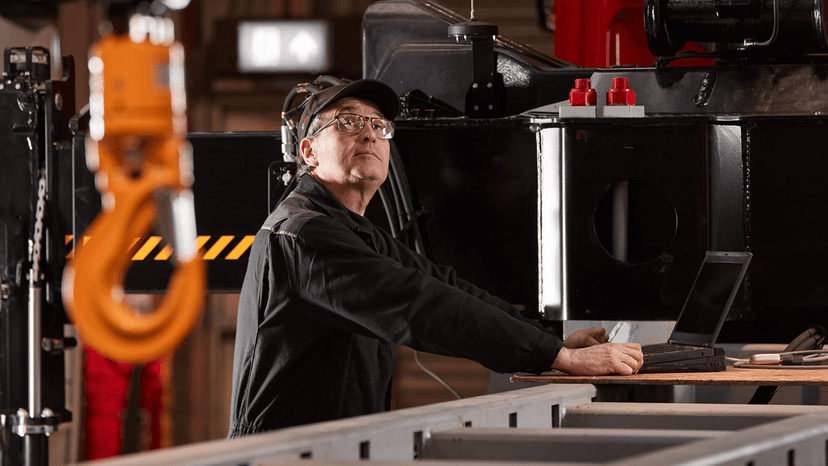
Productivity and efficiency
- Shorter loading cycle times through optimized crane hydraulics and controls
- Smart, energy-efficient equipment with advanced automation
- Data-driven insights through real-time equipment and fleet connectivity
- Modern operator training using flexible, virtual learning solutions
Uptime
- High operational availability maximising productive working hours
- Measured and predictable uptime based on planned vs actual use
- ProCare service contracts enabling preventive maintenance and inspections
- Reduced downtime and cost risk through proactive care and fixed fees
Solutions that keep Waste-to-Energy moving
Hiab offers a complete range of load handling solutions designed to support every stage of Waste-to-Energy operations. From the moment waste is collected to the final handling of ash, our equipment is built to perform in demanding conditions.
Phase 1: Waste collection
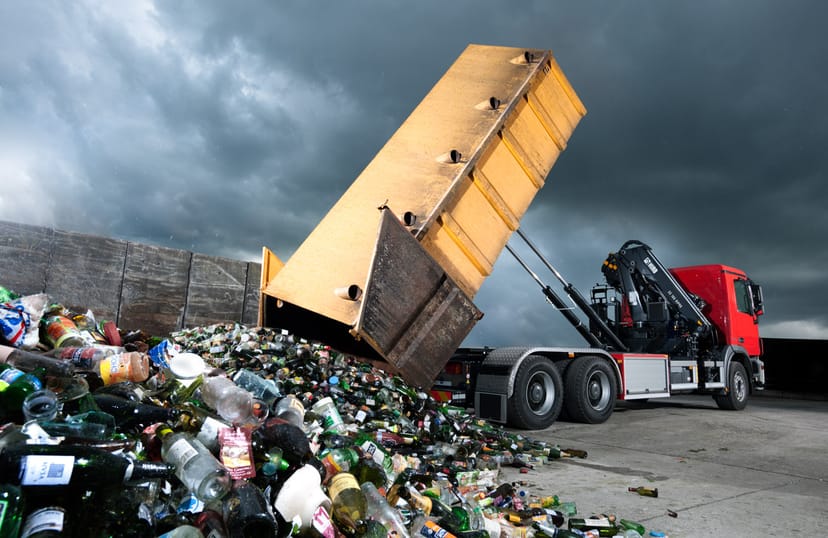
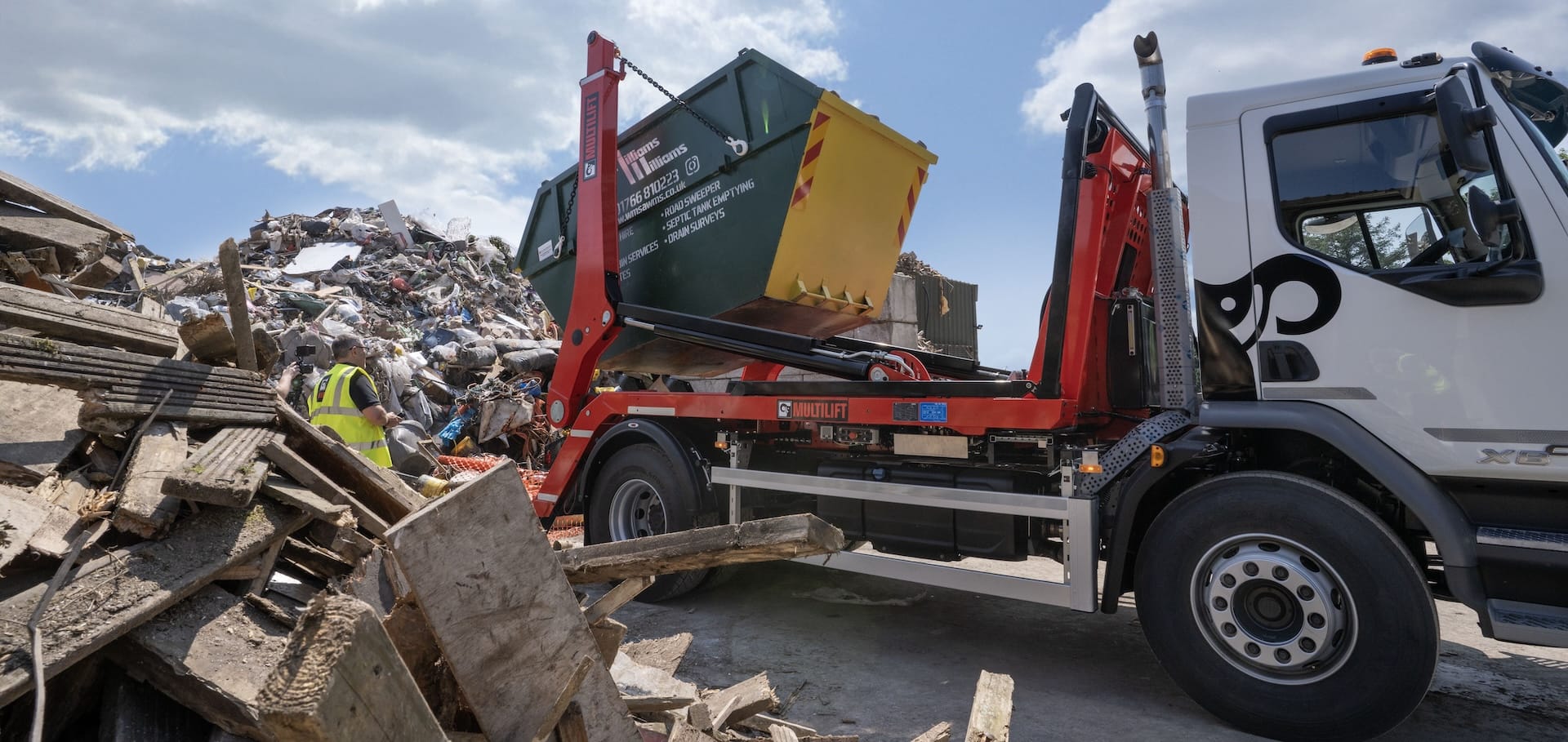
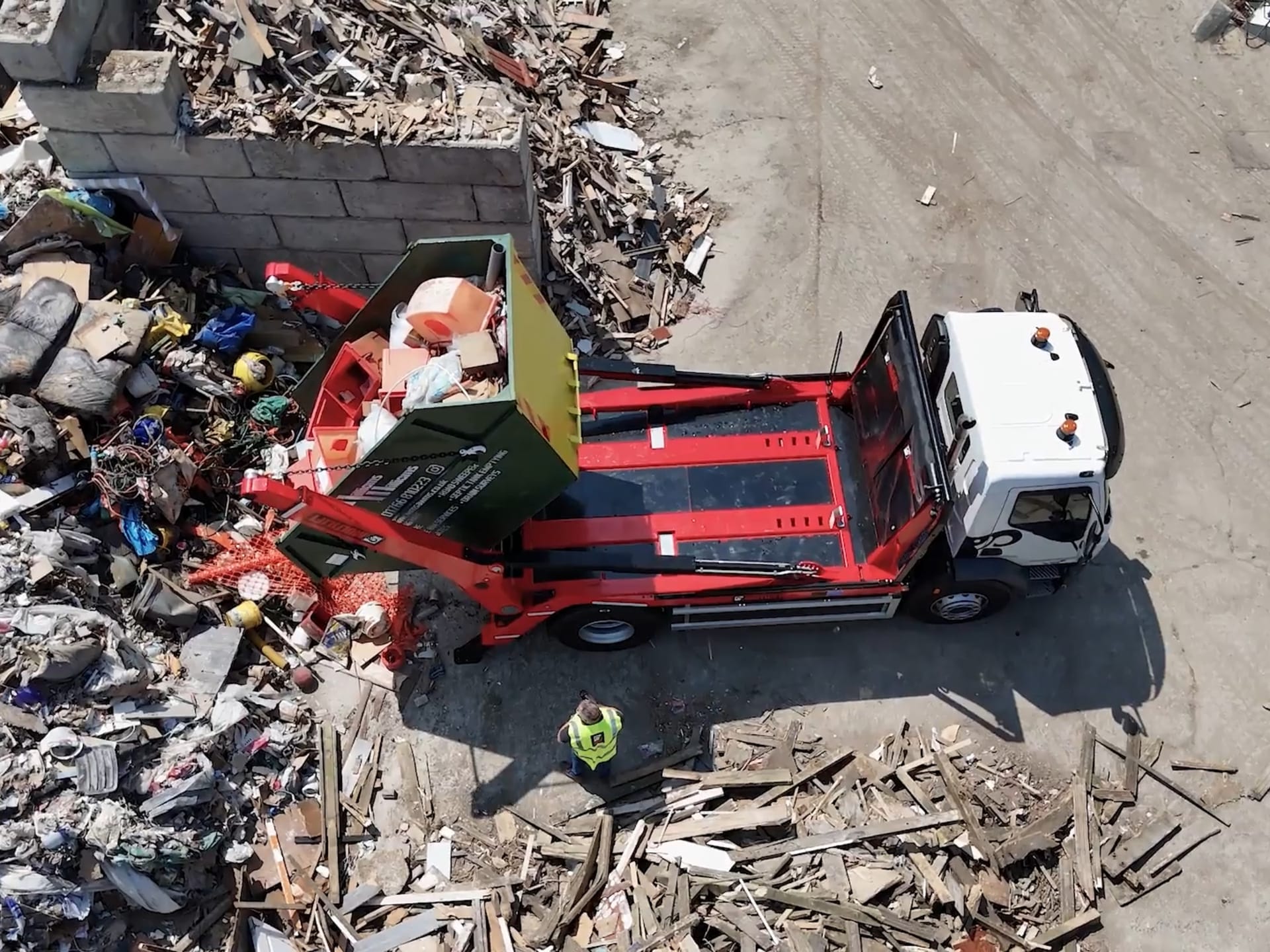
A WtE facility requires a consistent, high-volume flow of feedstock to maintain stable combustion temperatures. HIAB Knuckle Boom Cranes and MULTILIFT Skip Loaders are engineered for the rapid, repetitive loading cycles required to move diverse waste streams from urban and industrial sources. By optimizing the speed of discharge in the tipping hall, our equipment ensures that delivery vehicles cycle quickly, preventing logistical bottlenecks that could otherwise slow the plant’s intake rate.
Phase 2: Waste storage
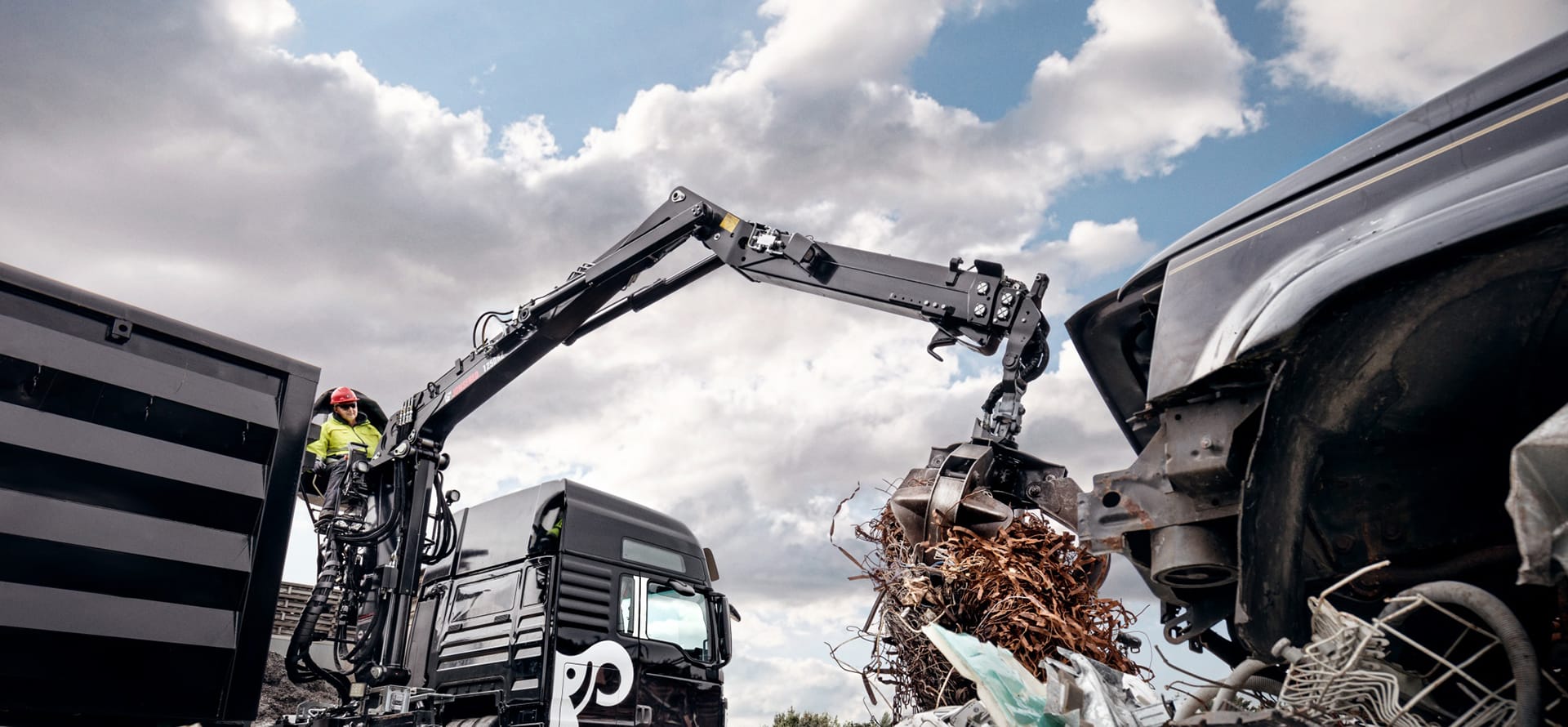
Inside the bunker, waste must be continuously sorted and moved to ensure the furnace hoppers remain full. JONSERED Recycling Cranes and Material Handlers are engineered for these high-duty cycles, providing the durability needed to operate in the dusty, abrasive environments typical of WtE facilities.

Phase 3: Ash collection
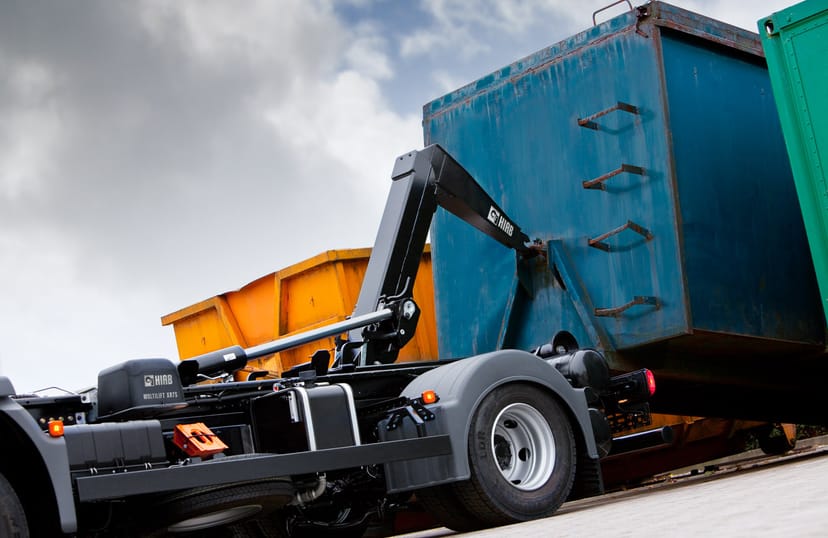
Post-combustion, the remaining bottom ash - roughly 10% of the original volume but significantly higher in density - must be extracted continuously to prevent furnace backups. MULTILIFT Hooklifts provide the high-torque hydraulic power required to swap and transport these heavy, abrasive residue containers to processing centers, where metals are recovered and ash is prepared for secondary use in construction.
Phase 4: Plant maintenance
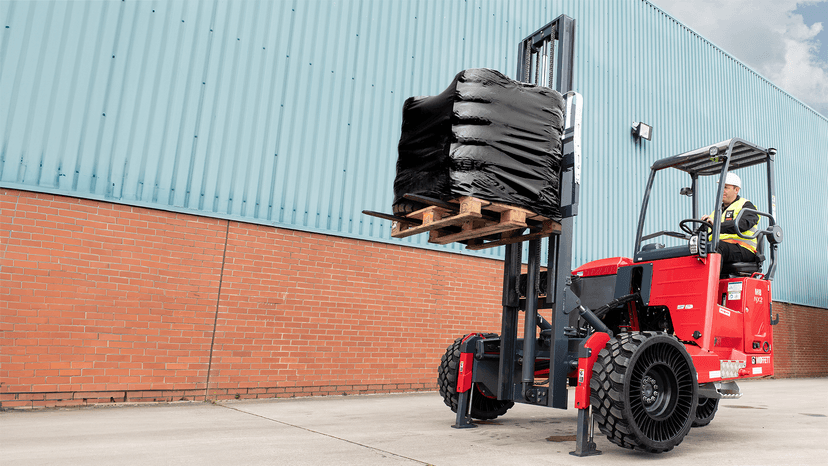
Within the facility, the complex boiler, filtration, and conveyor systems require frequent, agile support. MOFFETT Truck Mounted Forklifts provide the all-terrain maneuverability needed to transport critical spare parts and heavy components across the plant floor. Their compact design and precision control ensure that maintenance cycles are completed quickly, minimizing any potential disruptions to 24/7 energy production.

Phase 5: Grid maintenance
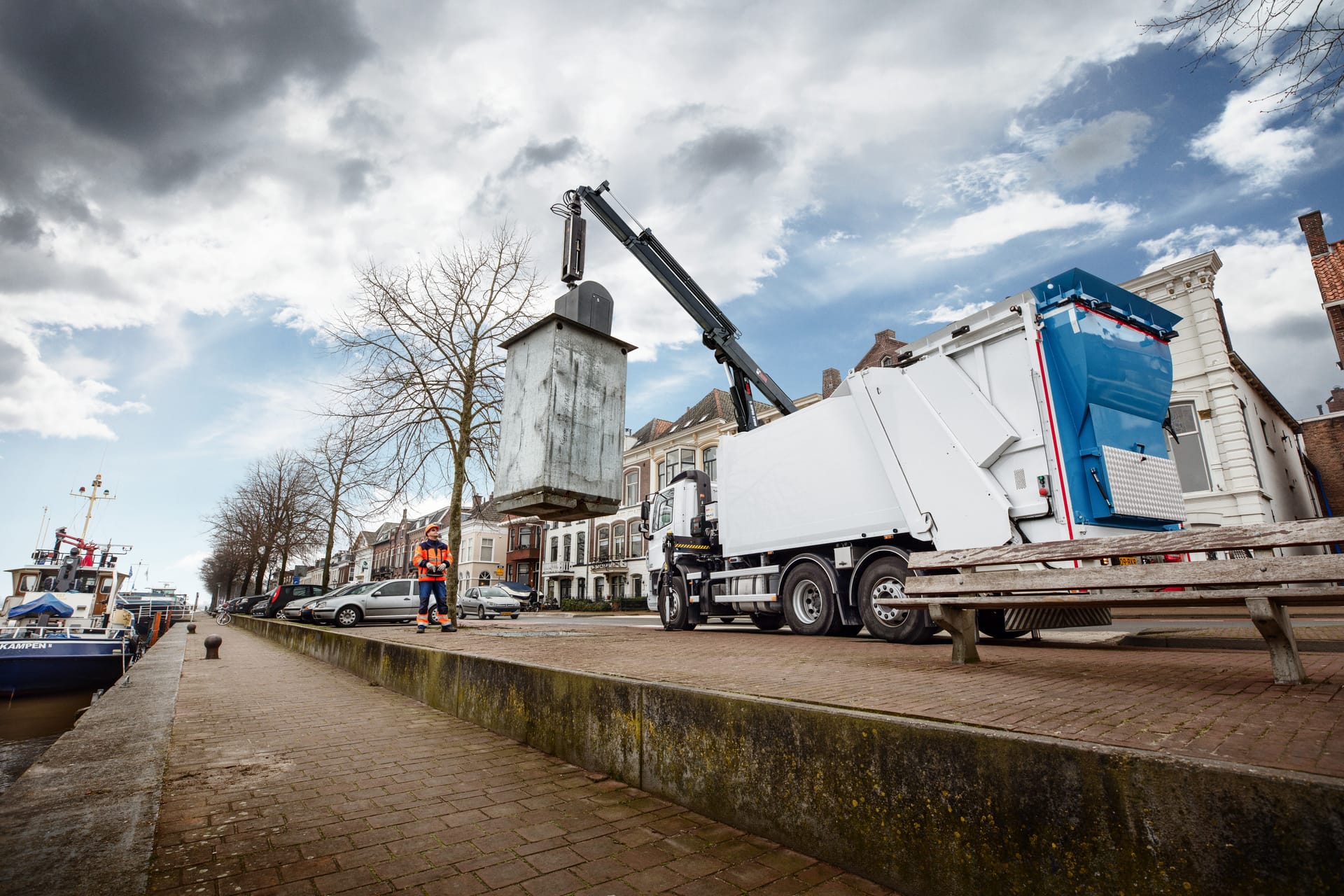
The final stage of the WtE process is the reliable export of electricity or heat to the community. Maintaining the local distribution network and substations requires versatile lifting power in varied environments. HIAB and EFFER Light and Heavy Knuckle Boom Cranes provide the reach and capacity necessary for critical infrastructure repairs, ensuring the connection between the plant and the energy grid remains uninterrupted.